Roofing materials · Stone-coated steel
Stone-Coated Steel Roofing in Utah
Stone-coated steel combines a steel panel with a textured granule finish, so it can look like tile, shake, or a dimensional shingle while weighing far less than concrete tile.
5.0 on Google
19 reviews
20+ years construction experience
Roofing-first construction
Utah offices
St. George and Sandy
Residential & commercial
Roofing, storm restoration, exteriors
What it is
Steel Strength With a Traditional Look
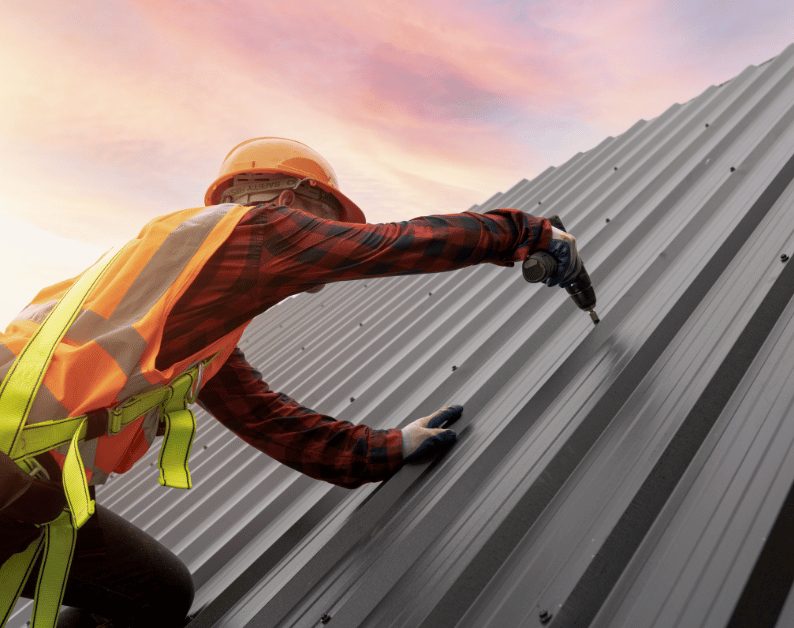
Stone-coated steel panels are formed steel with a protective coating and an embedded stone granule surface. The granules give the roof texture and a less metallic appearance, and help quiet rain.
Because it is much lighter than concrete or clay tile, homeowners sometimes consider it when they want a tile look without the weight, or when replacing a tile roof on a structure where weight is a concern.
Is it a fit?
Where Stone-Coated Steel Makes Sense
It is not the right choice for every home, but it solves specific problems well.
Tile look, less weight
A tile or barrel profile without the load of concrete tile.
Shake appearance
A wood-shake look without the maintenance and fire concerns of real wood.
Hail-prone areas
Steel resists cracking from impact; ask your insurer how they classify these roofs.
Wind exposure
Interlocking panels fastened to battens or deck resist uplift when installed correctly.
HOA requirements
Profiles that match tile or shake can help where neighborhood rules limit material choices — always confirm with your HOA.
Cost trade-offs
It typically costs more than shingles. The value case depends on how long you plan to stay.
Planning
What We Look at Before Recommending It
The existing roof and structure shape whether stone-coated steel is practical.
- Roof slope and complexity
- Existing material and tear-off needs
- Decking and batten condition
- Ventilation path
- Flashing at walls and chimneys
- Neighborhood or HOA guidelines
Profiles
Common Stone-Coated Steel Styles
Profiles vary by manufacturer; we will show you actual product options during the estimate.
Tile / barrel profile
Mimics Spanish or Mediterranean tile common in Southern Utah.
Shake profile
Mimics wood shake for mountain and traditional homes.
Shingle profile
A dimensional shingle look for homes that want a familiar appearance.
Across Utah
Handles Both Ends of Utah's Climate
In Southern Utah it appeals to homeowners replacing tile who want a similar look. The granule surface and coatings help it handle strong sun.
In Northern Utah and mountain areas, the steel substrate and interlocking design handle snow loads and freeze-thaw cycles without cracking like brittle materials can.
After a Hail Storm
Stone-coated steel resists punctures, but hail can still dent panels or knock granules loose. A documented inspection helps separate cosmetic marks from functional damage.
What to expect
The Stone-Coated Steel Process
Inspect
We look at the roof, the attic or underside where accessible, and the details that usually fail first.
Explain
You get photos and a plain explanation of what we found and what it means.
Scope
We recommend a repair or replacement scope that fits the actual condition — not the largest possible job.
Build
The work is completed, the site is cleaned up, and the finished roof is reviewed with you.
Keep exploring
Compare Other Roofing Materials
Tile Roofing
Concrete and clay tile common across Southern Utah neighborhoods.
Learn moreMetal Roofing
Panel systems that shed snow and handle long, hot summers.
Learn moreAsphalt Shingles
The most common residential roof in Utah, with the widest range of styles and budgets.
Learn moreRoof Replacement
When repairs no longer make sense, plan a complete new roof system.
Learn moreNext step
Ask About Stone-Coated Steel
Tell us about the home and the look you want. We will follow up to assess the roof and walk through profiles.
Questions
Stone-Coated Steel Roofing FAQs
Where we work
Stone-coated steel roofing across Utah
Served from our St. George office in Southern Utah and our Sandy office on the Wasatch Front. Pick your city for local roofing details.