
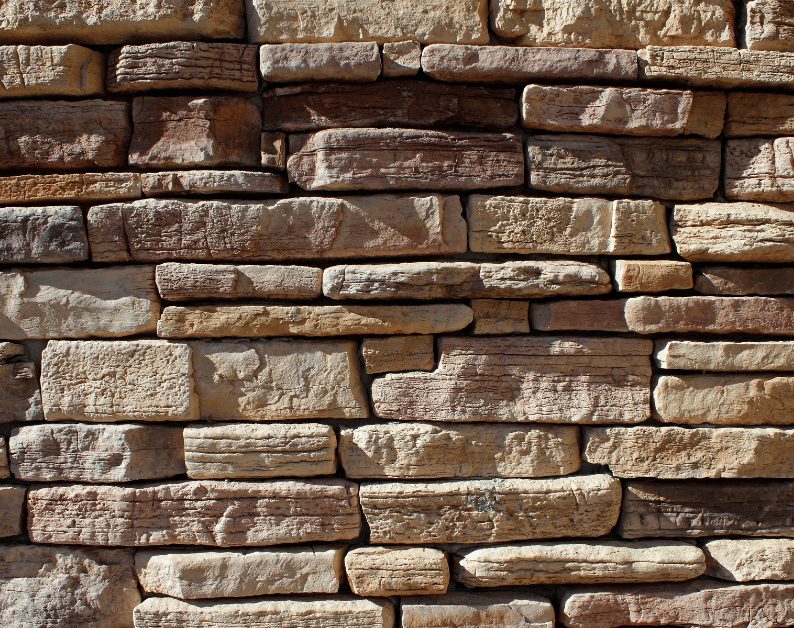
Stone and exterior finishes
Stone & Exterior Finish Services in Utah
Stone veneer and mixed exterior finishes give a building depth and character, but the transitions between materials must also manage water. Northridge evaluates visible damage, joints, openings, roof lines, and drainage before defining restoration work.
5.0 on Google
19 reviews
20+ years construction experience
Roofing-first construction
Utah offices
St. George and Sandy
Residential & commercial
Roofing, storm restoration, exteriors
Exterior performance
The Details Between Materials Matter
Stone veneer rarely stands alone. It meets stucco, siding, windows, doors, roofs, caps, and grade. These transitions control how water leaves the face of the building and whether it can escape from behind the finish.
An exterior evaluation looks beyond the stone pattern to visible movement, open joints, sealant, caps, flashing, and the nearby materials that complete the wall assembly.

What to watch for
Exterior Finish Concerns
Visible changes can be cosmetic, isolated, or connected to a broader transition problem.
Loose or damaged veneer
Individual pieces can crack, chip, loosen, or separate from the wall.
Open joints
Gaps at corners, caps, trim, or material changes can let water behind the finish.
Mortar deterioration
Cracking or loss at joints can change both appearance and weather resistance.
Staining
Water paths, runoff, and mineral deposits can signal a drainage detail that needs attention.
Impact damage
Hail, debris, or contact can mark stone, trim, and neighboring finishes.
Mixed-material transitions
Where stone meets stucco, siding, windows, or roofing, flashing and sealant details are critical.
Evaluation
What the Evaluation Covers
The stone, its joints, and every visible transition around it are considered together.
- Cracked, chipped, or loose pieces
- Mortar and joint condition
- Caps, ledges, and termination points
- Windows, doors, and penetrations
- Roof-to-wall and flashing details
- Drainage, staining, and grade clearances
Scope
Matching the Scope to the Condition
Restoration may be limited to one detail or may need to include adjacent finishes.
Localized finish repair
Individual damaged pieces or a small joint area may support focused restoration.
Transition correction
A cap, flashing, opening, or material change may need rebuilding to manage water correctly.
Coordinated exterior work
Damage spanning stone, stucco, siding, or windows may be best handled as one connected scope.
Roofing first
Stone at Roof and Wall Intersections
Stone near a roof line can make flashing access and water control more complex. The visible finish, concealed water-management layers, and roof edge all need to be considered before opening or closing the area.
A coordinated evaluation helps avoid repairing the face of the wall while leaving a roof or flashing condition unresolved behind it.
Storm Damage Across Mixed Exteriors
Hail and wind-driven debris can affect stone, mortar, stucco, siding, windows, metal caps, and roofing differently on the same elevation.
Documenting each material separately produces a clearer picture of what was affected and what was not. Insurance coverage decisions remain with the carrier.
What to expect
The Stone & Exterior Finishes Process
Survey
Review visible damage and the materials surrounding the affected area.
Diagnose
Identify whether the concern is surface-level or tied to a transition or water path.
Coordinate
Define the sequence when roofing, stucco, siding, or windows are also involved.
Restore
Complete the approved work with attention to fit, transition, and finish.
Complete exterior
Related Exterior Services



Next step
Start With an Exterior Evaluation
Tell us what you are seeing. We will follow up about the property and the right next step for evaluating it.
Questions