Commercial · Flat & low-slope
Commercial Flat Roofing in Utah
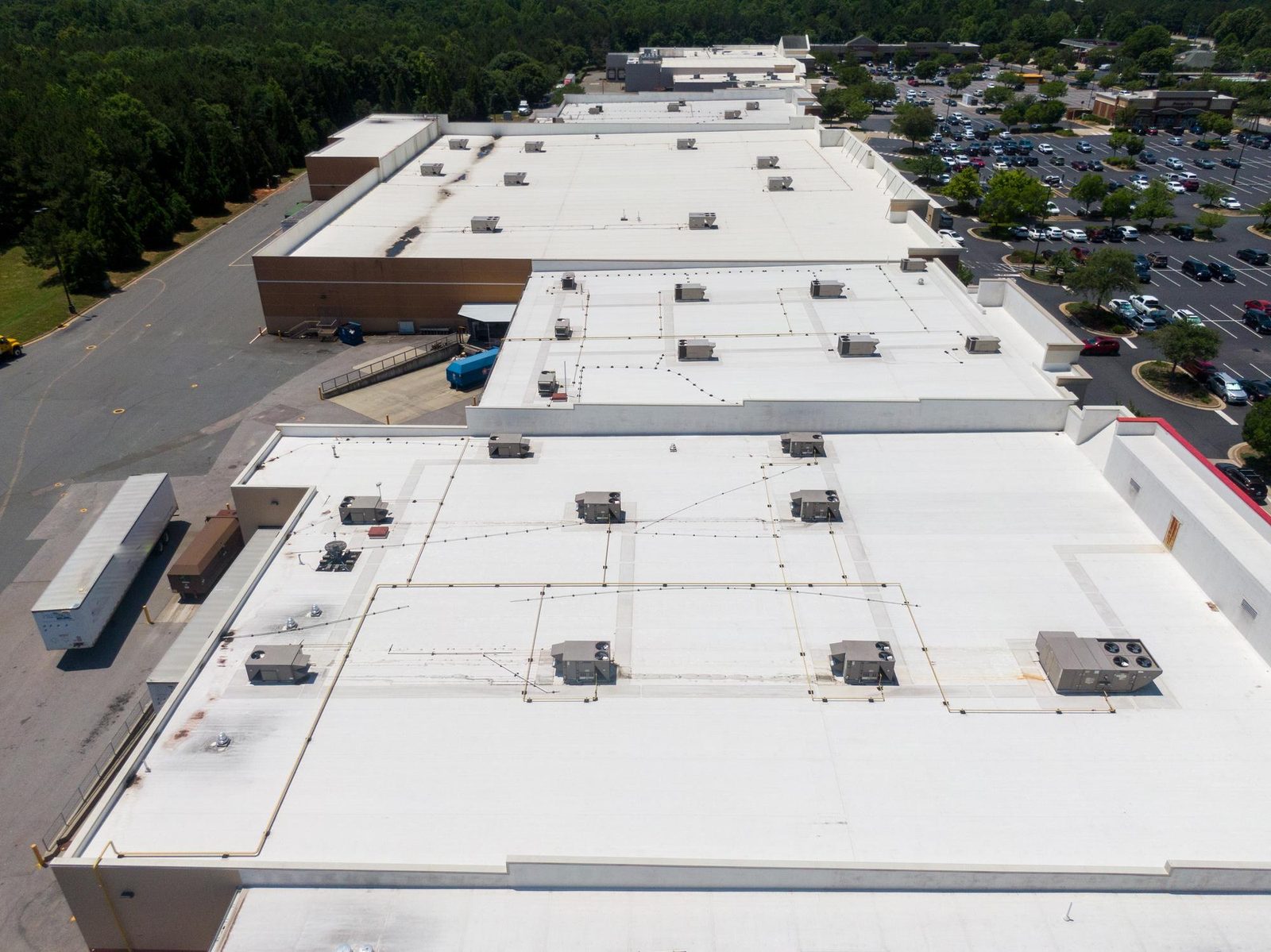
Most commercial buildings sit under low-slope roofs. Choosing the right membrane, insulation, and drainage design determines how well the roof performs, how much energy the building uses, and how often someone has to go up there.
5.0 on Google
19 reviews
20+ years construction experience
Roofing-first construction
Utah offices
St. George and Sandy
Residential & commercial
Roofing, storm restoration, exteriors
System thinking
A Commercial Flat Roof Is an Assembly
The membrane is only the top layer. Under it, insulation affects energy performance, cover boards protect against traffic and hail, and tapered insulation or crickets move water toward drains.
Getting the assembly right matters more than the brand name on the membrane.
Systems
Common Commercial Low-Slope Systems
Each system has strengths. The right choice depends on the building.
TPO
A white, heat-welded single-ply membrane widely used for its reflectivity.
PVC
A heat-welded single-ply membrane often chosen where chemical or grease exposure is a concern.
EPDM
A rubber membrane with a long track record on low-slope roofs.
Modified bitumen
Multi-ply asphalt-based roofing, durable under foot traffic.
Roof coatings
Restoration option for sound existing roofs, not a substitute for replacing a failing one.
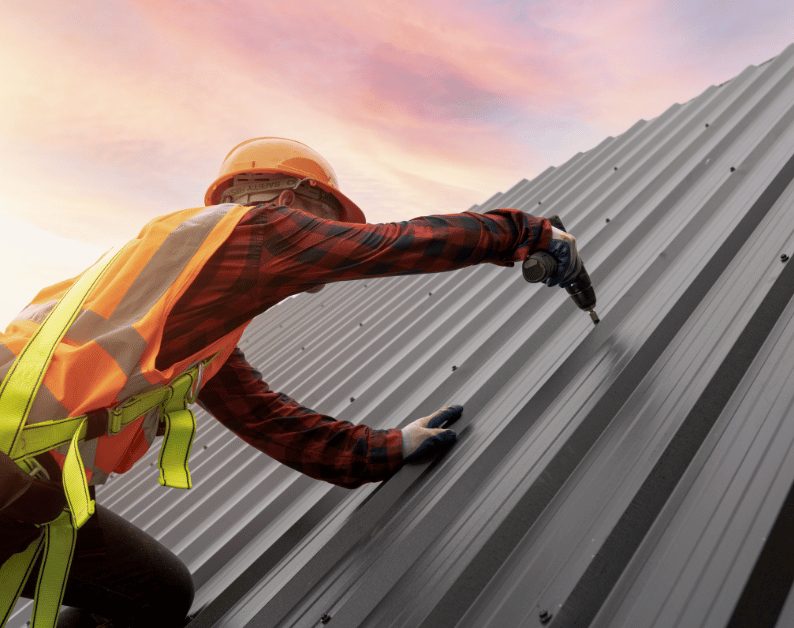
Metal retrofit
Some low-slope buildings can be converted with framing and metal panels.
Design
What We Evaluate for a Commercial Flat Roof
Drainage and details drive long-term performance.
- Drain, scupper, and gutter capacity
- Ponding areas and slope
- Insulation and energy goals
- Rooftop equipment and traffic
- Parapets and edge metal
- Existing roof layers
Scope
Flat Roof Project Types
Different situations call for different approaches.
New membrane system
Full replacement with the right membrane and insulation package.
Drainage improvements
Adding tapered insulation, crickets, or drains to correct ponding.
Maintenance and repair
Ongoing inspection and repair to protect the existing roof.
Utah conditions
Reflectivity in the South, Drainage in the North
In Southern Utah, reflective membranes can help reduce rooftop heat gain on buildings with heavy cooling loads.
In Northern Utah, snow load, ice at drains, and freeze-thaw cycles make drainage design and seam quality top priorities.
Low-Slope Roofs on Homes
Residential additions, patio covers, and modern flat-roof homes have their own considerations.
What to expect
The Commercial Flat Roof Process
Assess
Review the existing roof, drainage, and building needs.
Specify
Recommend a membrane and insulation assembly.
Schedule
Plan the work around tenants and operations.
Install
Complete installation with attention to seams and details.
Keep exploring
Related Commercial Services
Commercial Roofing
Roofing for offices, retail, multifamily, and light industrial buildings.
Learn moreCommercial Roof Repair
Leak tracing and targeted repairs for business buildings.
Learn moreCommercial Roof Replacement
Planning a full system replacement around building operations.
Learn moreFlat & Low-Slope Roofing
Low-slope sections on homes: additions, patios, and modern designs.
Learn moreNext step
Discuss Your Commercial Flat Roof
Tell us about the building, roof size, and any current problems. We will follow up to schedule an assessment.
Questions
Commercial Flat Roofing FAQs
Where we work
Commercial flat roofing across Utah
Served from our St. George office in Southern Utah and our Sandy office on the Wasatch Front. Pick your city for local roofing details.