Roofing materials · Flat & low-slope
Flat & Low-Slope Roofing for Utah Homes
Many homes have at least one low-slope section — an addition, a porch, a garage, or a modern flat roof. These areas cannot be roofed like the rest of the house, and they are often where leaks begin.
5.0 on Google
19 reviews
20+ years construction experience
Roofing-first construction
Utah offices
St. George and Sandy
Residential & commercial
Roofing, storm restoration, exteriors
Why it is different
Low Slopes Hold Water Longer
Shingles and tile depend on gravity to shed water. Below a certain slope, water moves too slowly and can back up under them. Low-slope areas need a continuous membrane or system designed to be watertight.
Problems usually start where a low section meets a steeper roof or a wall, at drains and scuppers, or where water ponds after a storm.
Where we see it
Common Low-Slope Areas on Homes
Low-slope roofing on a home is usually a smaller area with tricky transitions.
Modern flat roofs
Contemporary designs with parapets and internal drains.
Additions and garages
Low sections that tie into an existing pitched roof.
Patio and porch covers
Areas that often get shingles they were never meant to carry.
Southwest-style homes
Flat roofs with parapets and scuppers, common in Southern Utah.
Ponding water
Low spots that hold water and wear membranes out faster.
Roof decks
Walkable areas that need protection from foot traffic and furniture.
Inspection
What We Check on a Low-Slope Roof
Drainage and transitions tell most of the story.
- Ponding and drainage paths
- Seams and membrane condition
- Parapet walls and caps
- Scuppers, drains, and downspouts
- Transitions to pitched roofs
- Stucco and wall terminations
Systems
Low-Slope Roof Options
The right system depends on the area, drainage, and how it connects to the rest of the house.
Single-ply membranes
Sheet membranes such as TPO or EPDM, used widely on low-slope roofs.
Modified bitumen
A multi-layer asphalt-based system that has long been used on residential low slopes.
Coatings and repairs
Targeted repairs or a coating can extend life when the existing roof is still sound — not when it is failing.
Utah conditions
Heat, Snow, and Standing Water
Southern Utah's flat-roofed homes face strong UV and heat that age membranes and sealants. Parapets and scuppers need regular attention.
In Northern Utah, snow on low-slope sections melts slowly, and ice can block drains. Good drainage design matters more than the membrane brand.
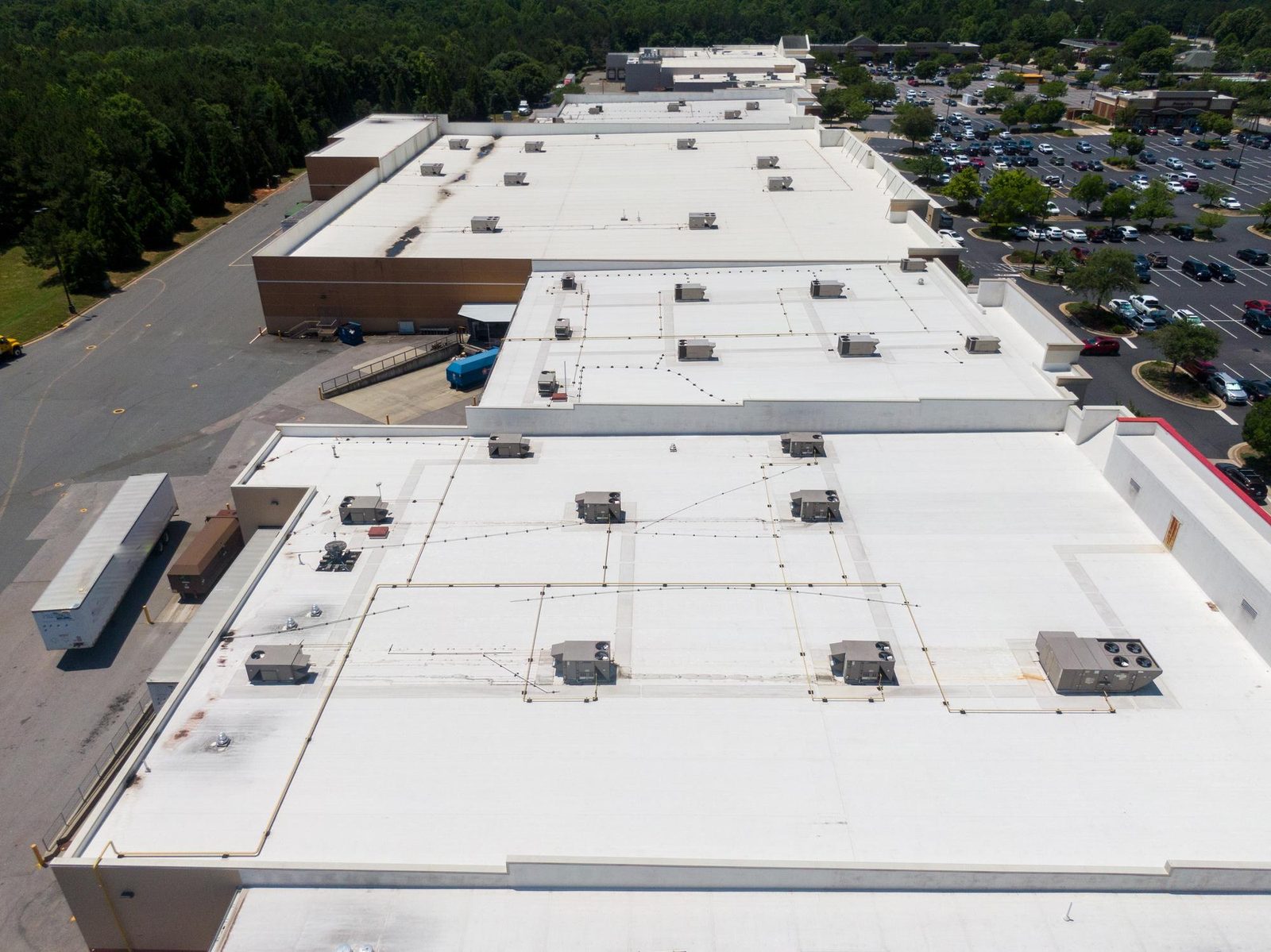
Low-Slope Sections on Commercial Buildings
If you manage an office, retail, or multifamily building, commercial flat roofing involves different systems, scale, and scheduling.
What to expect
The Low-Slope Roof Process
Inspect
We look at the roof, the attic or underside where accessible, and the details that usually fail first.
Explain
You get photos and a plain explanation of what we found and what it means.
Scope
We recommend a repair or replacement scope that fits the actual condition — not the largest possible job.
Build
The work is completed, the site is cleaned up, and the finished roof is reviewed with you.
Keep exploring
Related Roofing Services
Roof Repair
Leaks, missing shingles, flashing failures, and localized damage.
Learn moreAsphalt Shingles
The most common residential roof in Utah, with the widest range of styles and budgets.
Learn moreMetal Roofing
Panel systems that shed snow and handle long, hot summers.
Learn moreCommercial Flat Roofing
Membrane and low-slope systems for commercial buildings.
Learn moreNext step
Get Your Low-Slope Roof Looked At
Let us know where the low-slope area is and what you are seeing. We will follow up to inspect it.
Questions
Residential Flat Roofing FAQs
Where we work
Flat & low-slope roofing across Utah
Served from our St. George office in Southern Utah and our Sandy office on the Wasatch Front. Pick your city for local roofing details.